Synthetic Genomics
Preparing BioXp for testing and commercial release
Senior Systems Engineer · 2014–2015
Before BioXp could ship to paying customers, we had to close independent safety and electromagnetic-interference findings and give the factory floor a practical system to inspect, calibrate, and sign off on every unit. I coordinated outside compliance testing and worked alongside engineering and manufacturing to put our production quality system into daily operation.
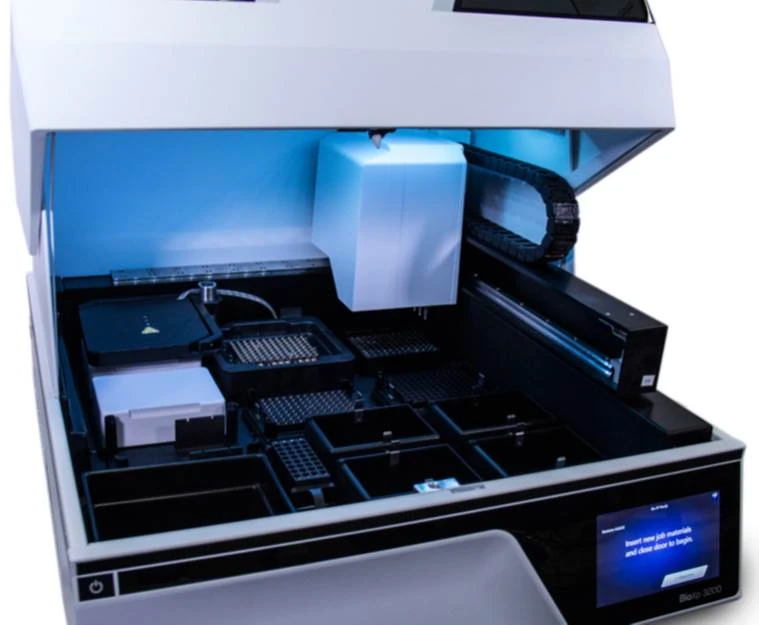 Enlarge imageEnlarge: BioXp instrument with its lid open, showing the working deck.
Following test findings into the design
I coordinated electrical-safety assessment with a Nationally Recognized Testing Laboratory (NRTL) and arranged separate electromagnetic-compatibility (EMC) testing alongside outside test engineers and an engineering partner. When evaluation flagged items on the thermal hardware and the lid interlock governing operator access, I worked with the product team on immediate fixes and longer-term hardware updates, carrying both through re-test and compliance records.
Because a full DNA-assembly run lasted roughly seventeen hours, running complete biological protocols inside a compliance chamber wasn’t practical. We tested against a repeated one-hour sequence capturing the same peak balance of pipetting motion and thermal cycling—and I audited the lab’s draft test report to clarify that operating mode and correct descriptions of our control software and internal power distribution alongside team and supplier grounding schematics.
Giving manufacturing a usable quality system
Technicians on the assembly floor needed clear answers on what to inspect, which revision applied, and what to do when a part failed spec. Building on early company drafts, I developed and rolled out manufacturing quality procedures with the team covering incoming and in-process inspection, calibration, shipping release, nonconforming material, corrective actions, and document control—leading staff training and audit readiness.
To close supplier documentation gaps for Restriction of Hazardous Substances (RoHS) and CE marking, I built enforcement directly into incoming receiving: staff collected and logged required material declarations at receipt, and any missing paperwork routed straight to purchasing or engineering to resolve—or replace the part or vendor—before hardware reached the line.
Alongside written SOPs, I helped define the workflow for a manufacturing database tying qualification runs to specific instrument serial numbers, reagent lots, lab notes, and images—giving engineering and manufacturing one shared trail when investigating an outlier.
Supporting release and subsequent audits
We had full safety approval in place for the first commercial BioXp sale, and I continued supporting factory audits as manufacturing used the quality system to inspect and release customer units.
Routine pre-shipment electrical safety checks only protected customers if the test rig itself stayed accurate. I later added a mandatory pre-check to the factory test procedure requiring technicians to verify expected readings against known passing and failing reference loads before connecting any BioXp unit—halting testing immediately if the safety tester drifted.
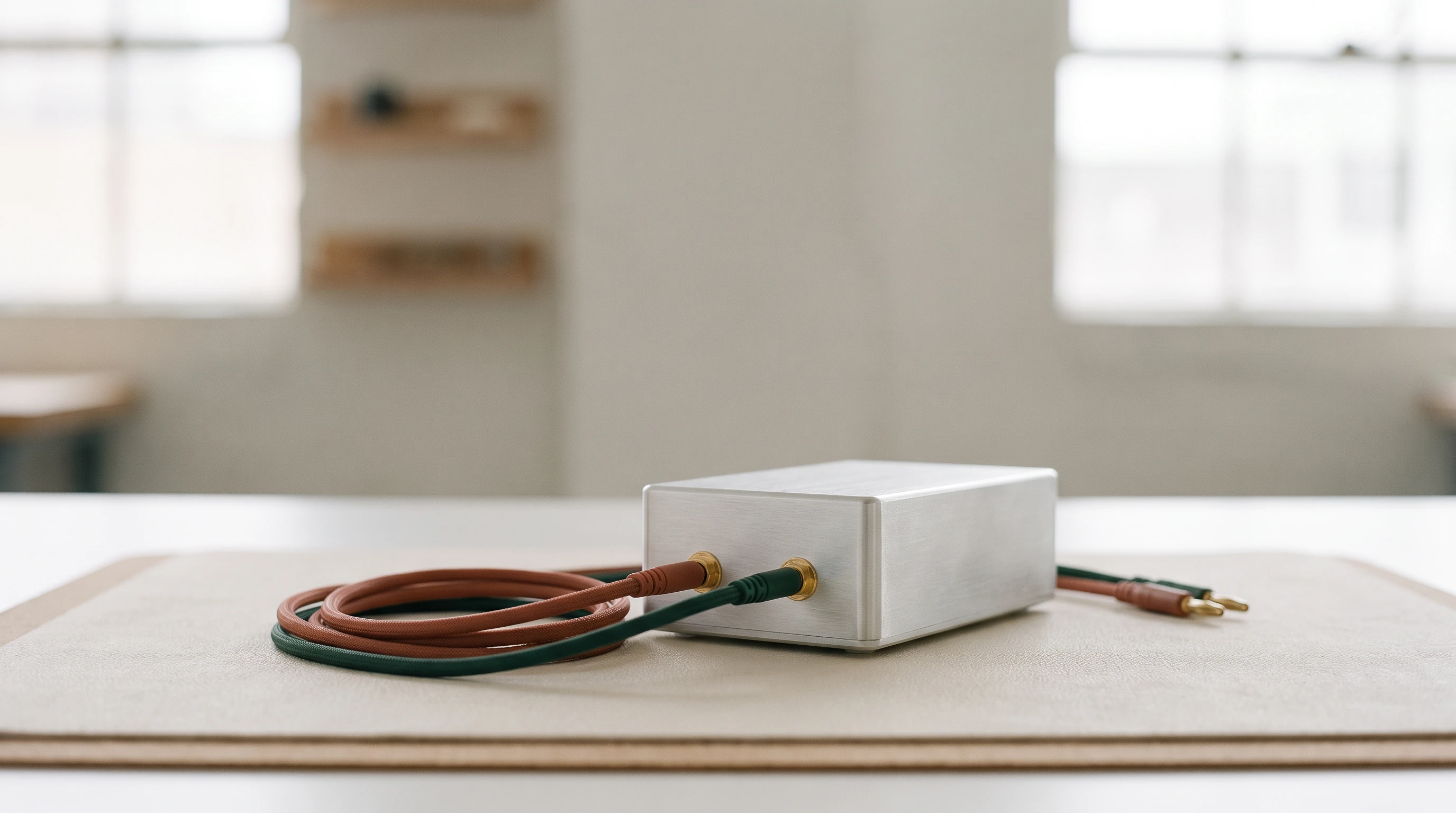 Enlarge imageEnlarge: Pre-shipment electrical safety checks included verifying the factory tester itself against known passing and failing reference loads before connecting customer instruments.
Experience used here
Product safety · NRTL coordination · Electromagnetic compatibility (EMC) · CE-related documentation · Restriction of Hazardous Substances (RoHS) · Supplier records · Quality procedures · Document control · Training · Audit preparation