Consulting & independent development · Current
TNL Systems
Principal
Engineering consulting and independent technology development
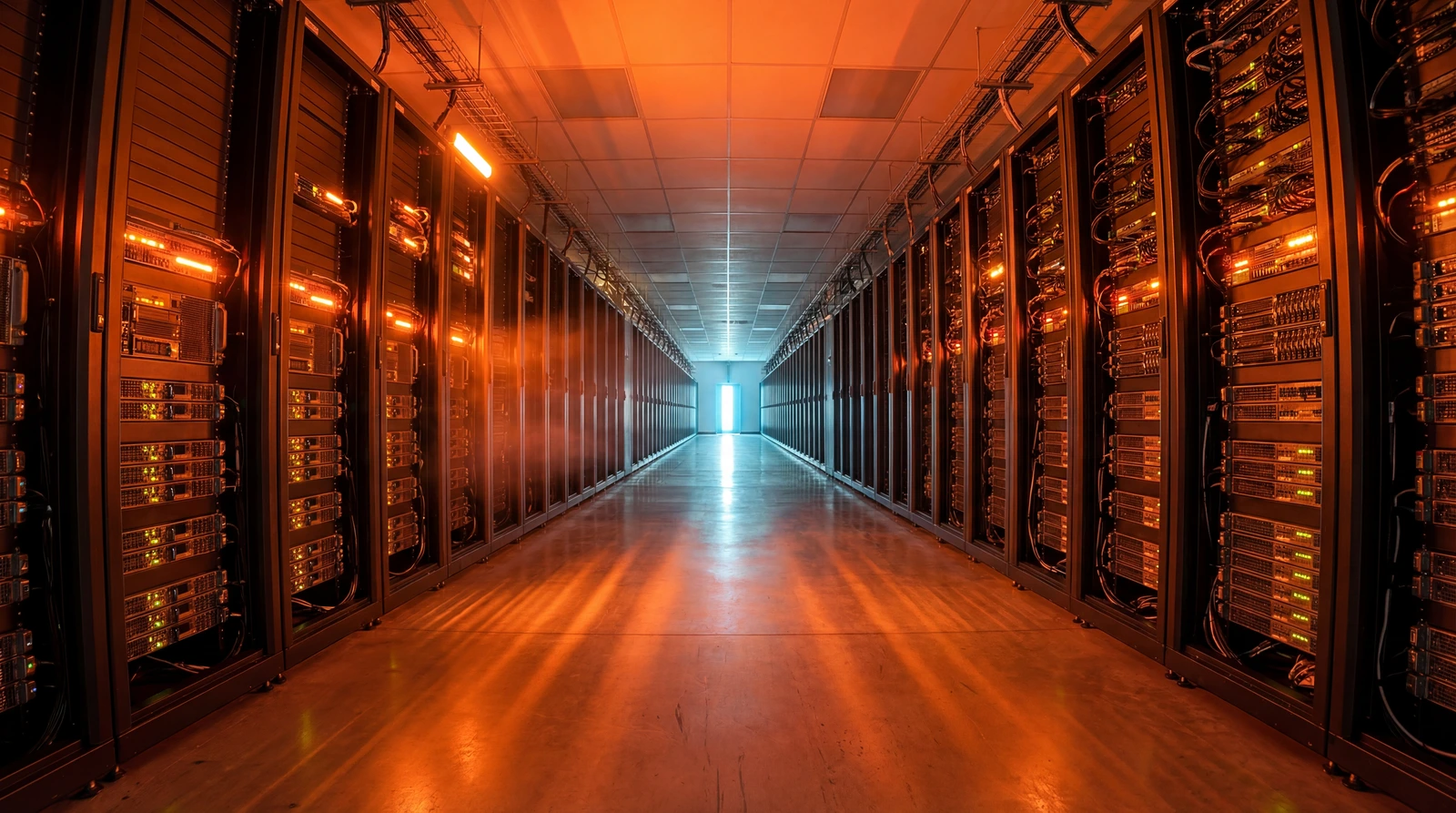 Enlarge imageEnlarge Piezolith vertical power delivery and microchannel cooling architecture
TNL Systems is my practice for engineering consulting and independent hardware development—spanning equipment design, physics and flow modeling, and taking new technical concepts from analysis into prototyping.
My primary independent focus today is Piezolith, a power-delivery and cooling concept for high-density AI processors, where I am pairing engineering models and four provisional patent filings with cleanroom prototype planning and commercialization strategy.
Piezolith: preparing to test the concept
Before spending capital in the cleanroom, I built coupled engineering and economic models to test where the physics and unit economics hold up—and I am now working with a university nanofabrication facility to plan a first physical proof-of-concept device.
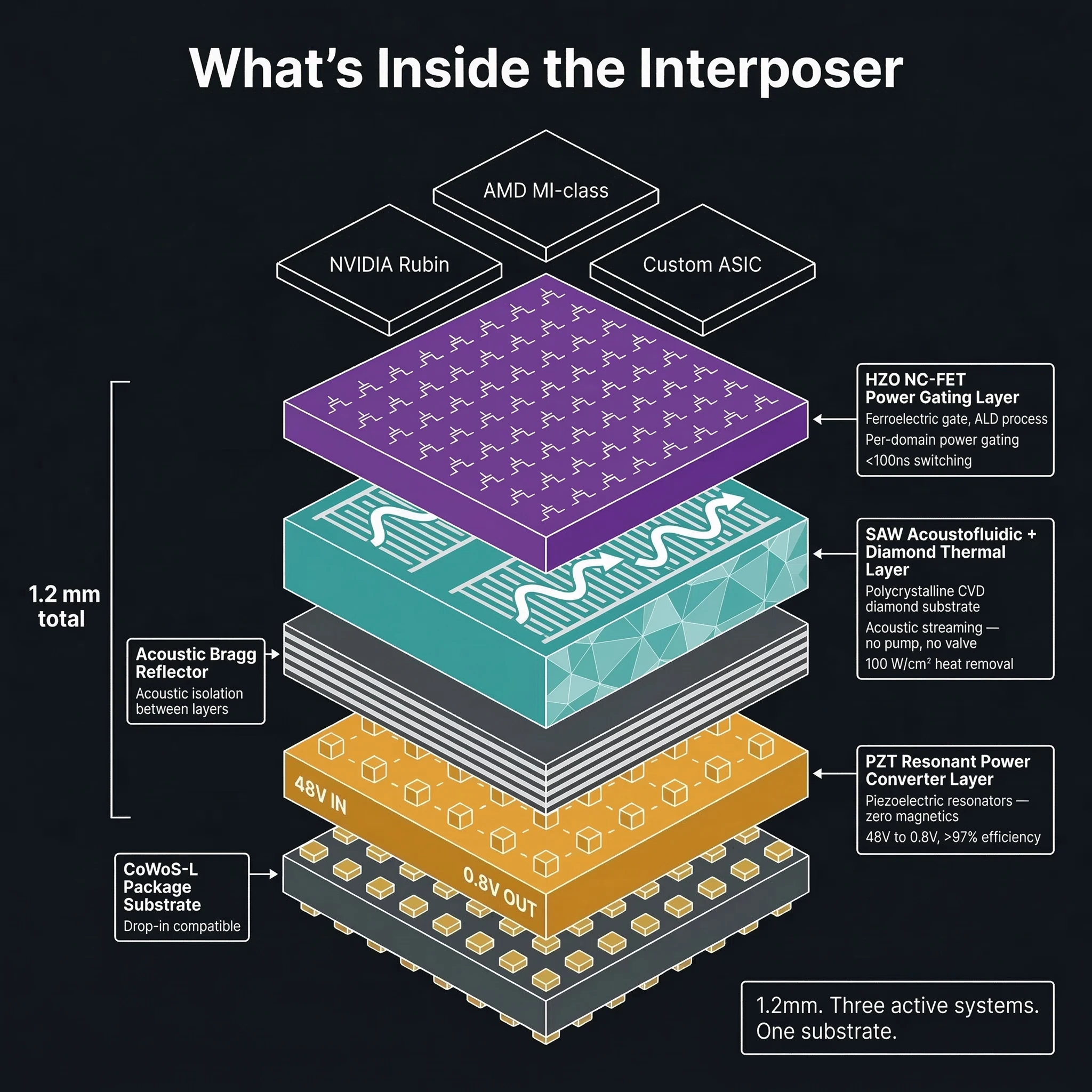 Enlarge imageEnlarge: Exploded isometric architecture of the 1.2 mm active interposer stack.
Independent consulting · 2017
An earlier mining study: choosing a mixing arrangement
For a mining operation in Nicaragua in 2017, I evaluated industrial mixing configurations to achieve uniform circulation inside an existing tank while sticking strictly to available off-the-shelf impellers.
I modeled the tank options in SOLIDWORKS and ran flow simulations comparing baffles, shaft lengths, impeller styles, and flow directions. Plotting every option on one common velocity scale made it immediately clear how adding wall baffles broke up stagnant zones and improved full-tank circulation—giving the client a straightforward, off-the-shelf equipment specification.
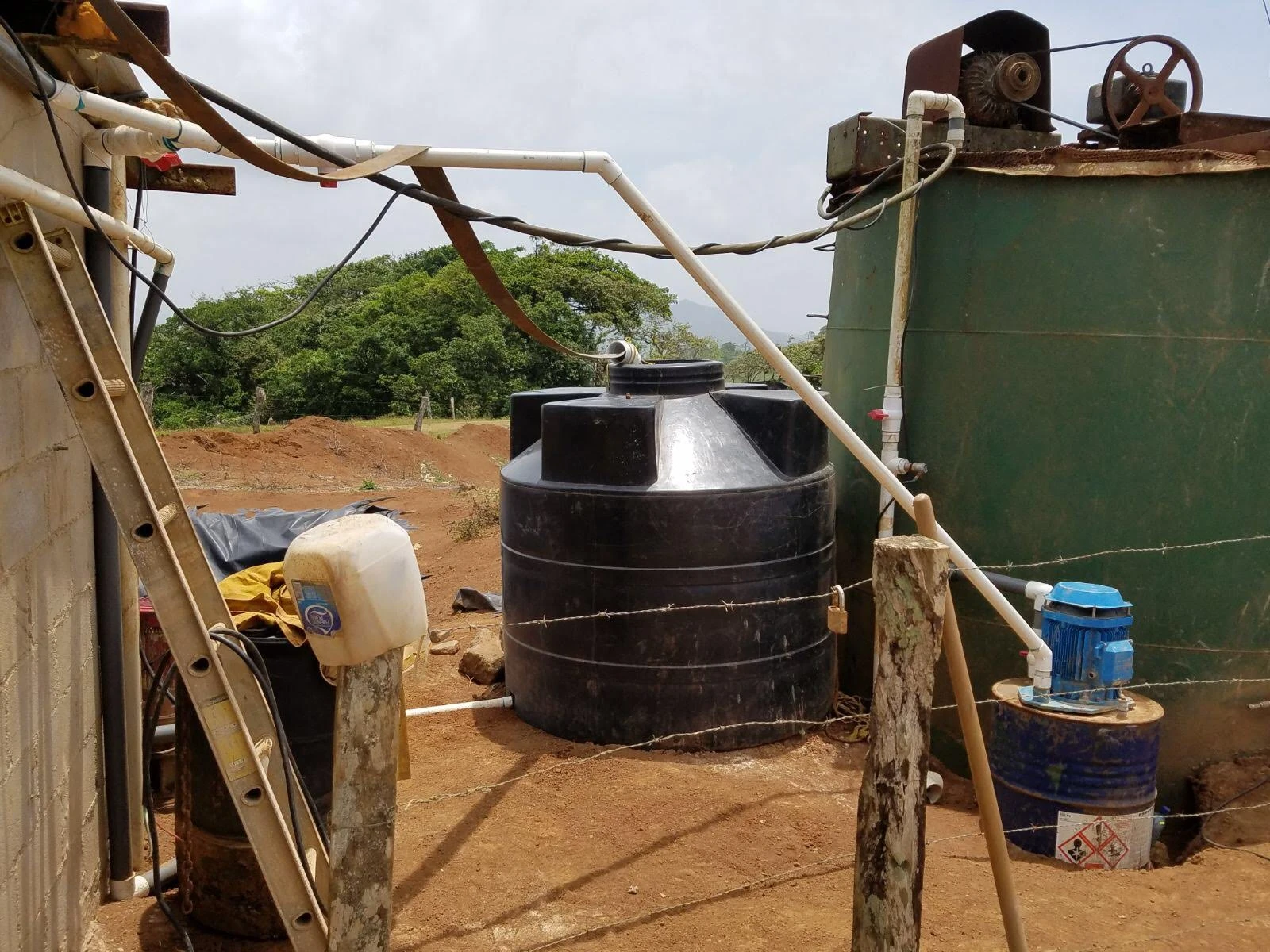 Enlarge imageEnlarge: The client’s field mixing tank, top belt-driven agitator drive, and transfer piping on site in Nicaragua—the physical setup modeled in the SOLIDWORKS flow simulations below.
Shared velocity scale: 0–3.247 m/s
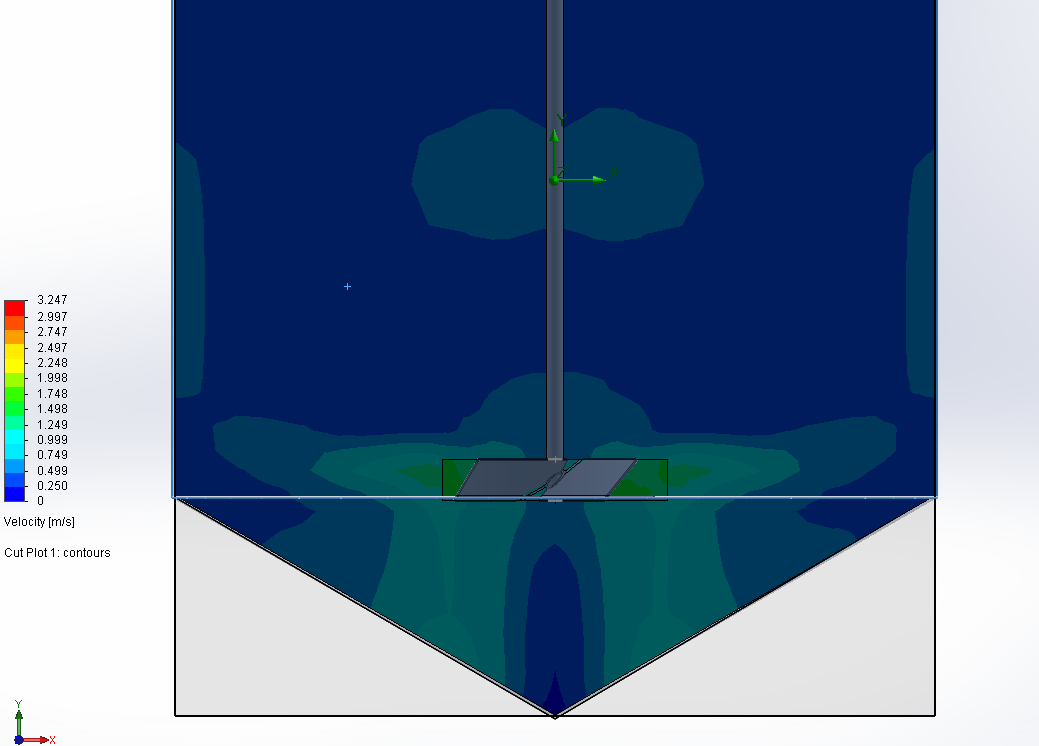
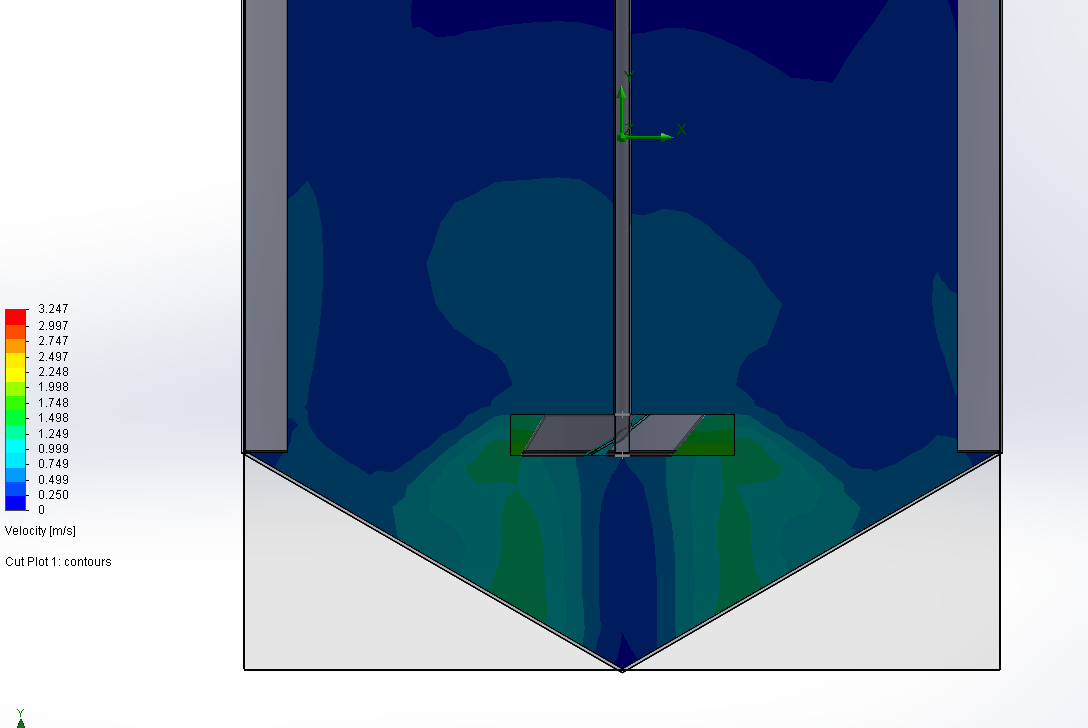
Common scale
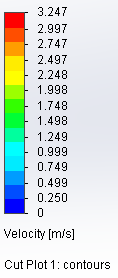
Experience used here
Independent hardware development · Engineering consulting · Physics & economic modeling · Intellectual-property development · SOLIDWORKS · Flow simulation · Equipment analysis