Racer Biosciences
Building Racer’s quality and manufacturing system
President and General Manager · Consulting · 2025–2026
When a research lab or distributor buys a biological reagent, you have to be able to trace every kit on the shelf back to the exact raw materials and instructions used to make it. Early on, when an evaluator reported that an assembly failed, seeing right away that other samples from the same batch had worked prompted questions about the lab’s setup—and underscored why solid batch records mattered from day one.
I wrote Racer’s first quality manual and standard operating procedures, and then built the web application the team used to manage documents, track incoming materials, and record production batches. Around that software, I helped set up our production laboratory, audited our product costs, and designed the kit packaging and shipping records.
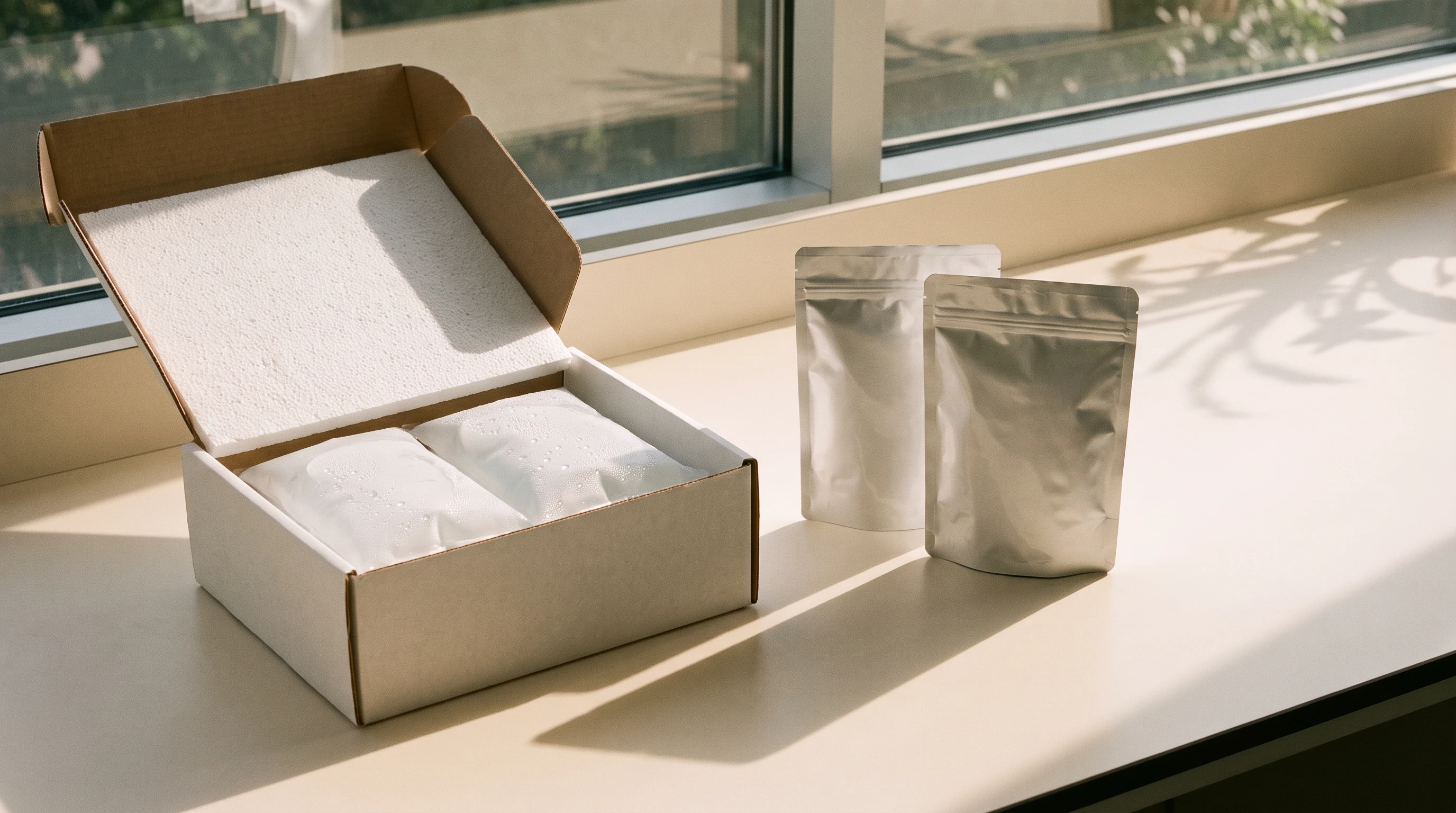 Enlarge imageEnlarge: In-house fulfillment paired low-cost foil-lined pouches with overnight cold-pack shipping and lot-linked packing records.
A clear record of what went into every kit
Our production process didn’t fit a simple one-to-one template. In the lab, the teammate who developed the chemistry prepared certain stock solutions ahead of time, mixed the master reagent in a single bulk batch, and then divided that bulk batch across several different kit sizes.
When the first version of our software assumed one batch only ever made one kit size, I rebuilt it to match how the bench actually worked. Stock solutions received their own lot numbers, bulk recipes automatically scaled ingredient volumes to match the batch size, and one bulk batch could be divided into multiple kit sizes over time. Every raw material carried a part number, so when someone recorded a batch, they selected from a dropdown of the actual bottles we had received in inventory—linking incoming supplies and finished kits while recording the matching Odoo manufacturing-order number.
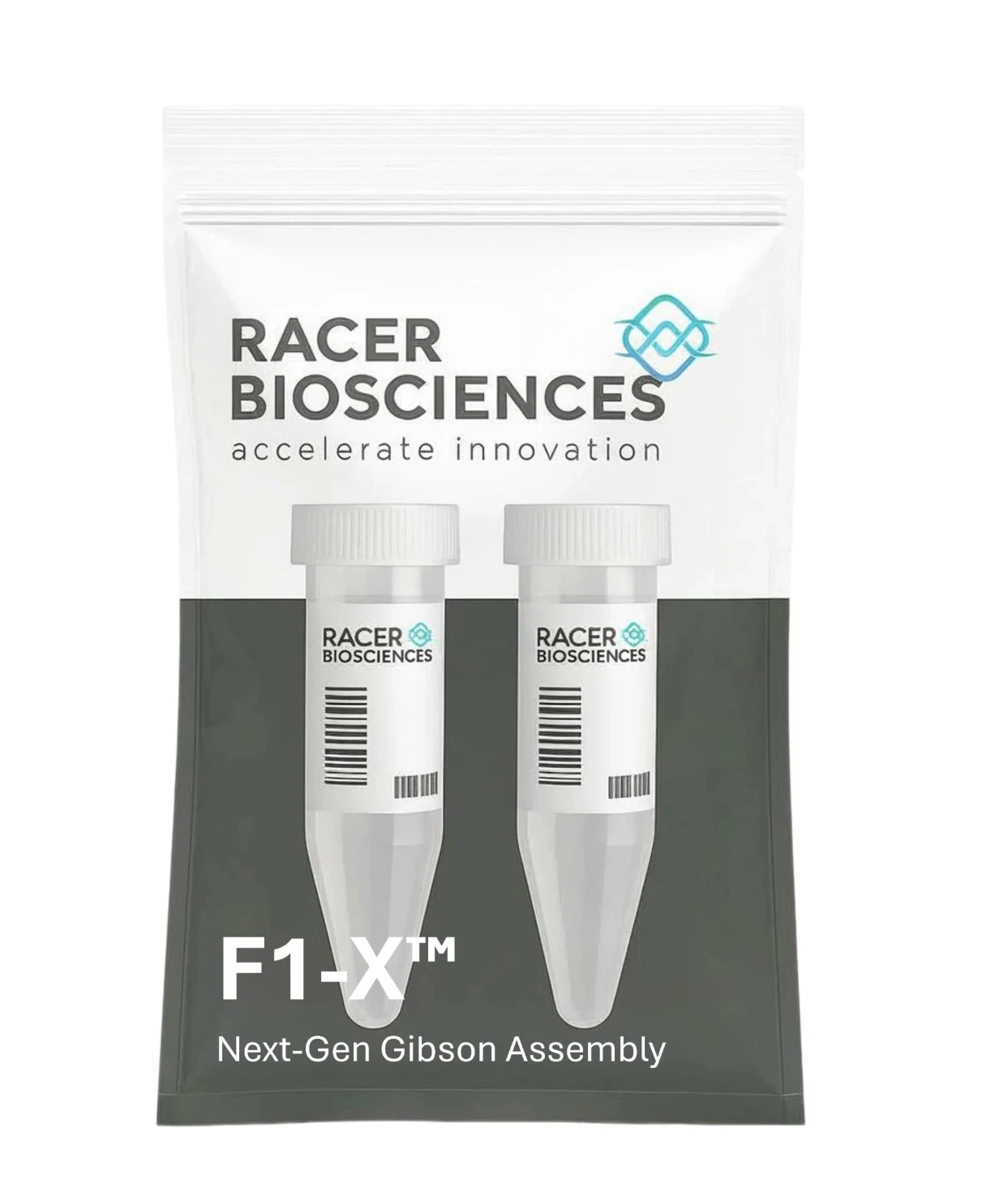 Enlarge imageEnlarge: Standardized pouch and barcoded two-tube kit packaging for F1-X DNA assembly.
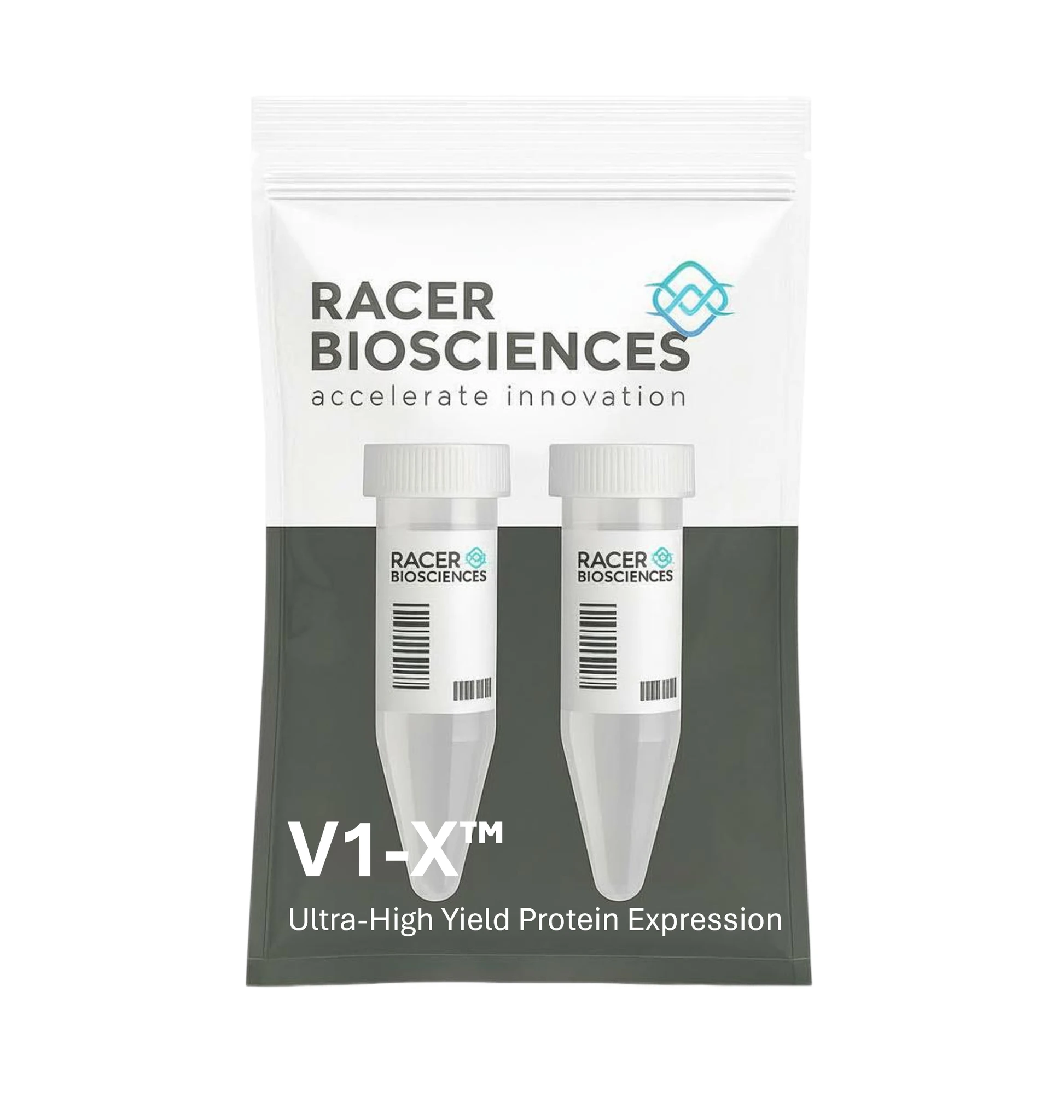 Enlarge imageEnlarge: Standardized pouch and barcoded two-tube kit packaging for V1-X cell-free protein expression.
Writing the manual and building only what we needed
Before writing any code, I wrote our initial Quality Manual and core procedures covering document control, lot traceability, change control, and product release criteria.
We were already using Odoo as our ERP for purchasing and expenses, but setting up quality and lot control inside Odoo was overly complex for a small team, and a dedicated commercial quality system would have cost roughly $1,000 a month. Instead, I broke the requirements into eight checked stages and directed AI coding agents to build a clean, startup-lean web application tailored to Racer’s workflow—giving the team document control, material logs, batch records, and Certificates of Analysis without the monthly subscription.
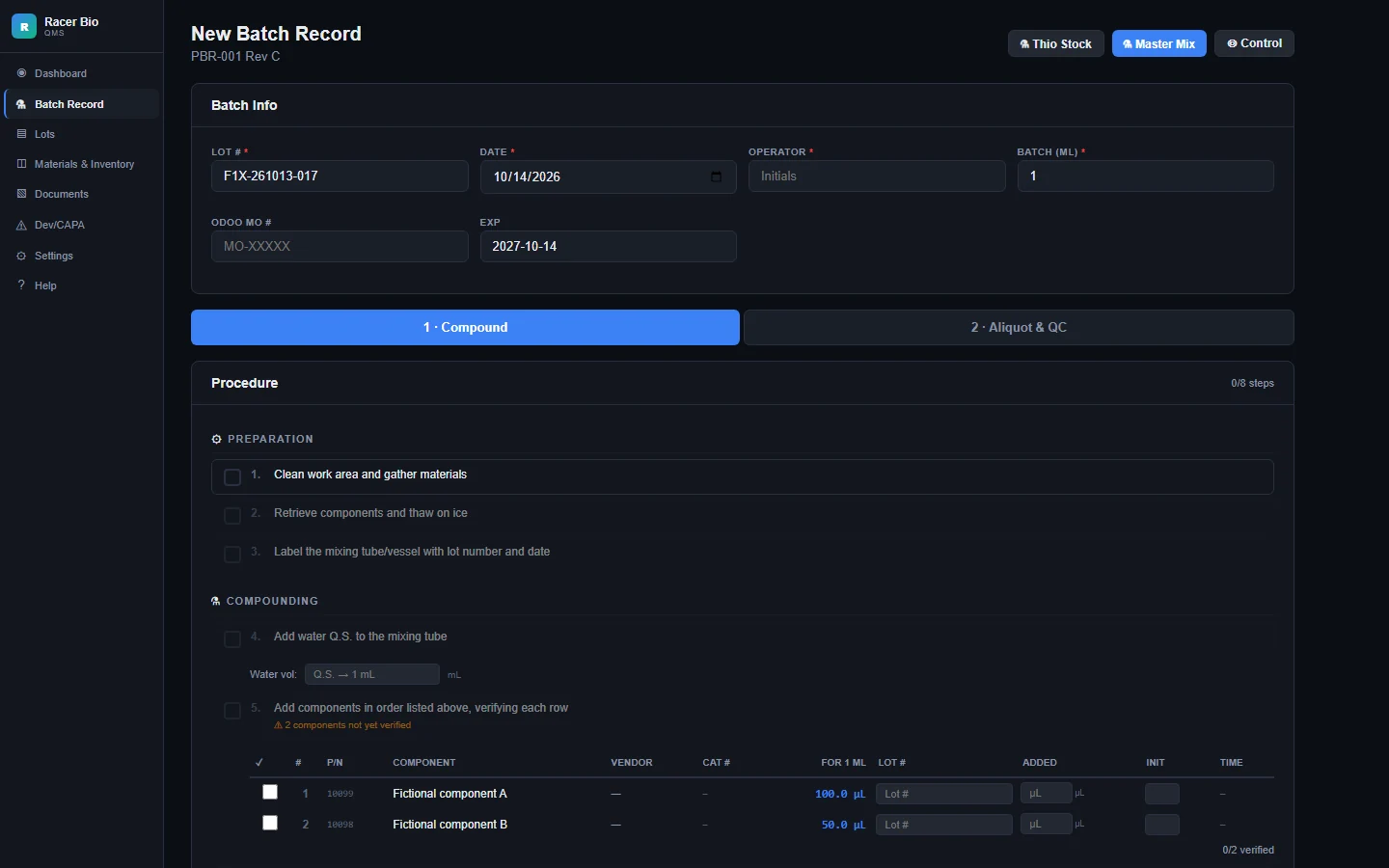 Enlarge imageEnlarge scrubbed Production Batch Record PBR-001 Rev C inside the Racer QMS
Keeping instructions current as the process evolved
As labels, quick-start guides, and batch instructions evolved, the team needed to know at a glance which version was approved for production.
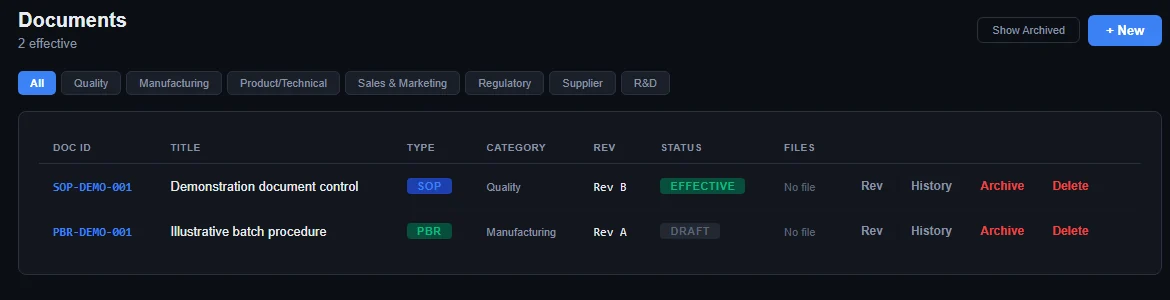
The document register tracked each file’s ID, version, and whether it was a draft or effective for use, storing the editable original and any generated PDF for reading or printing at the bench. Whenever a document was updated, earlier versions stayed archived on file; if someone opened a superseded version, the screen displayed a clear warning and a direct link back to the current release.
Auditing supplier packaging and true product costs
To understand our true gross margins across kit sizes, we needed our production recipe entered accurately into Odoo’s bill of materials. I worked with our ERP developer to structure the recipe into three levels—the finished kit, working solutions mixed fresh for a batch, and stock solutions prepared ahead and stored frozen.
When I audited the 18 raw-material lines in the developer’s bill of materials against supplier catalogs and quotes, I found five separate pricing mistakes that would have distorted our unit economics. One critical enzyme had been priced roughly ten times too low because a university consortium discount list had been used instead of commercial list pricing, and several other items confused single bottles with four-packs or ten-packs.
I fixed the unit rules and package volumes so our product cost model reflected what Racer actually paid. While a full automated bridge between Odoo and our quality app remained on the roadmap, both tools worked together cleanly in daily operations.
Setting up the laboratory, packaging, and fulfillment
In late 2025, I modeled outsourcing production to a contract manufacturer against making F1-X in-house, showing why in-house production made far better economic sense for our stage. To equip the lab on a tight budget, I built a script that scanned online biotech auctions for used equipment deals, helped set up our production space and storage freezers, and reviewed our tube-filling and hand-labeling steps to spot where bench time was being lost.
For the kit packaging, I initially designed a rigid metal tin in SOLIDWORKS, then set it aside in favor of a custom-printed, foil-lined pouch that protected the tubes at a fraction of the cost. A teammate working on the science wrote the protocols and user guides while I handled print layout and release—including rebuilding our 3” × 4” quick-start card at print resolution for local runs. When orders shipped overnight on cold packs, our custom Shopify packing slips and confirmation emails carried the lot numbers, storage instructions, and direct links to online Certificates of Analysis right to the customer.
Experience used here
Quality & manufacturing systems · Document control & lot traceability · Bill-of-materials auditing · Product costing · Laboratory setup · Packaging & cold-chain fulfillment · AI-assisted software development
Product development and operations
I’m available for consulting projects and fractional leadership.