DeepDiveBio
Preparing MultiTherm for manufacturing
Co-founder and founding CEO · 2018–2021
Building evaluation prototypes with the founding team is very different from having an outside partner manufacture instruments repeatably. As pilot units went out to researchers, I led the preparation to transfer MultiTherm to an external engineering and manufacturing firm—pulling together the design package, defining how units would be qualified, and managing suppliers through the design and commercial tradeoffs needed for the next build.
Prototype assembly had also exposed fragile manual steps that needed engineering fixes before scaling up, requiring us to balance design-for-manufacture changes against tooling cash and component lead times.
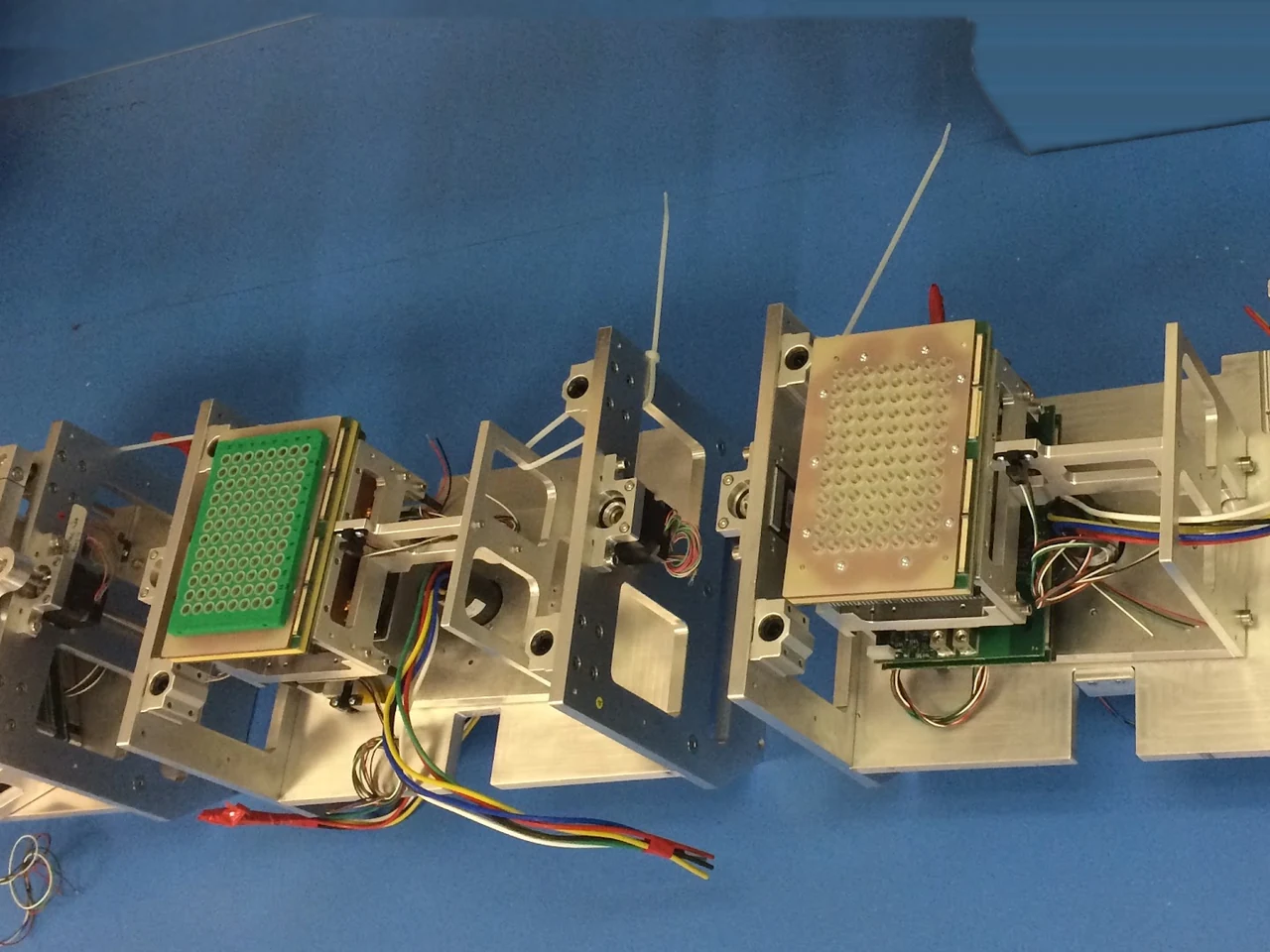 Enlarge imageEnlarge: Exposed thermal-cycler well plates, circuit boards, wiring and mechanical frames on a blue workbench.
Managing the technology transfer
I assembled the technical handoff package—bills of materials, drawings, and test plans—and in February 2020 scoped the transfer program with an outside engineering and manufacturing partner. Together we separated integration tests (checking that thermal, electrical, and software subsystems worked together, including pre-assembly module checks) from final acceptance tests proving a finished instrument met spec.
Structuring the transfer meant agreeing clearly on what the partner owned, which performance limits needed characterization first, and which improvements belonged in the next build so engineering scope stayed aligned with our budget.
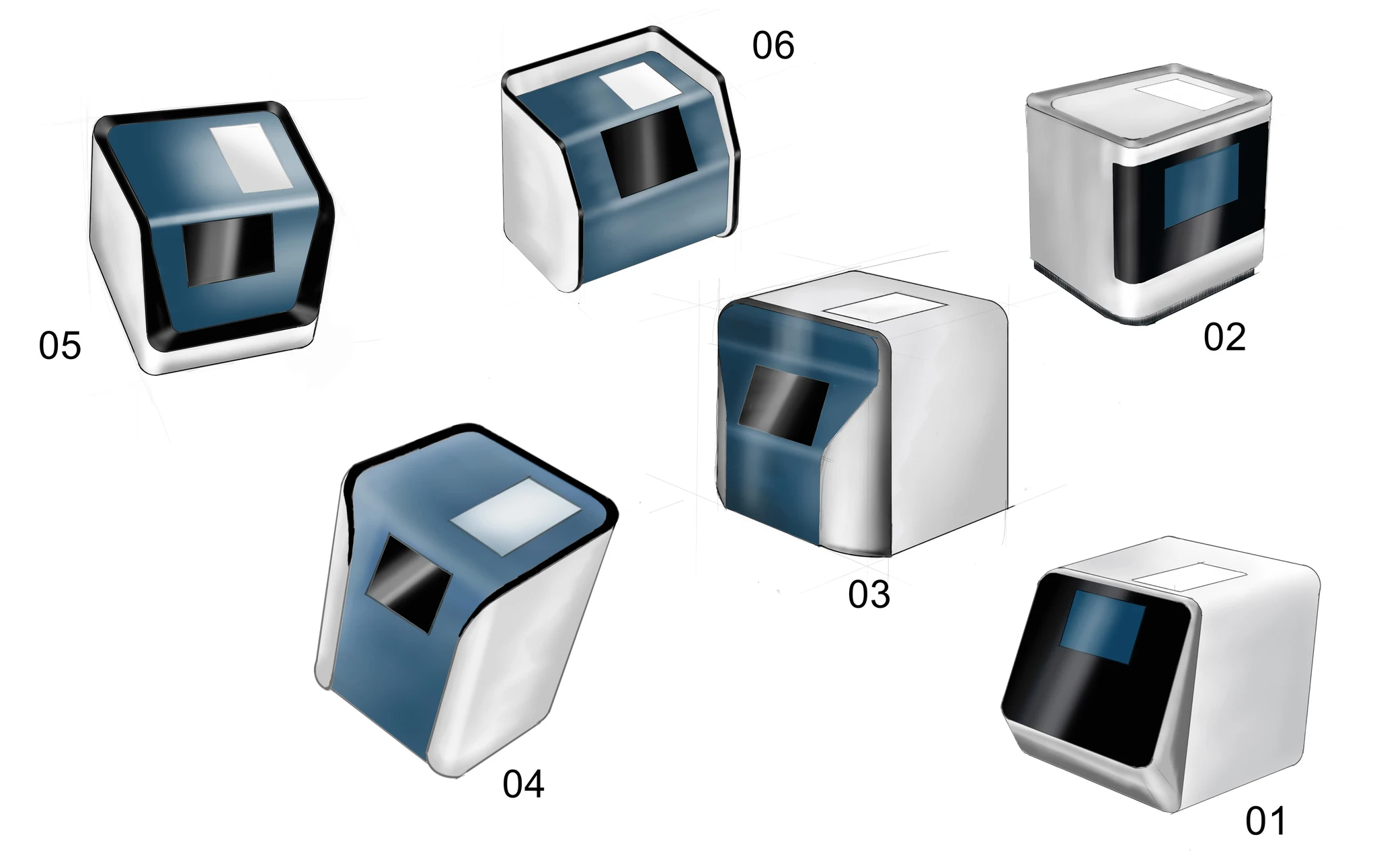 Enlarge imageEnlarge: Early industrial design concepts for the MultiTherm thermal cycler enclosure.
Making the design easier to manufacture
The sharpest assembly bottleneck inside the prototypes was the 96-well sensor array, which relied on delicate leads and careful hand bonding where minor variation hurt yield or thermal contact.
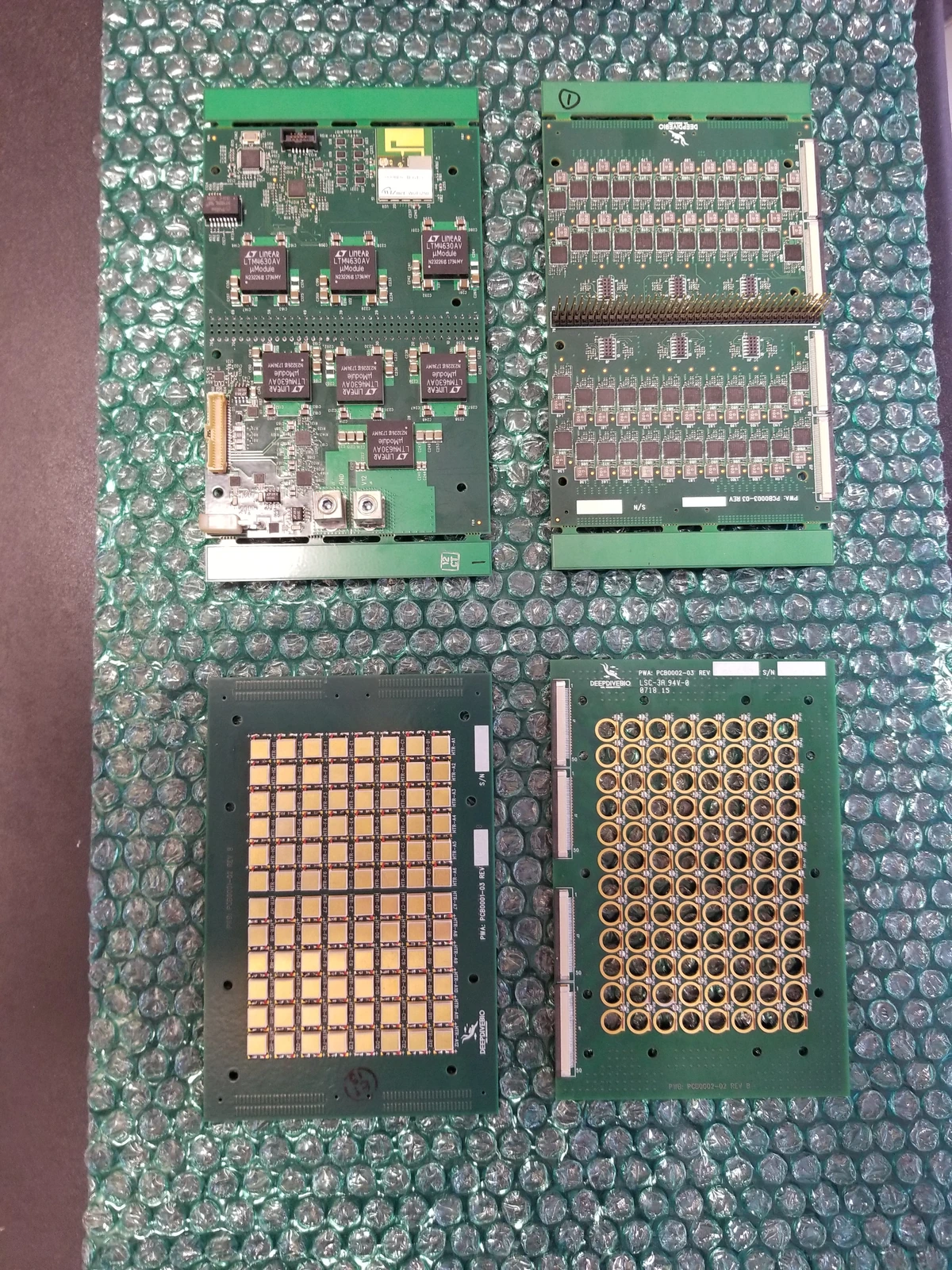 Enlarge imageEnlarge DeepDiveBio prototype boards
With our mechanical and electrical engineers, I defined the mounting and thermal-contact requirements and reviewed the sensor supplier’s proposed spring-clip redesign. Alongside the sensor work, I coordinated our electrical engineer’s PCB files with board fabricators and full-instrument manufacturers—checking where standard fabrication processes could hold critical mounting-hole tolerances and where tighter specs were genuinely worth paying for before committing to tooling.
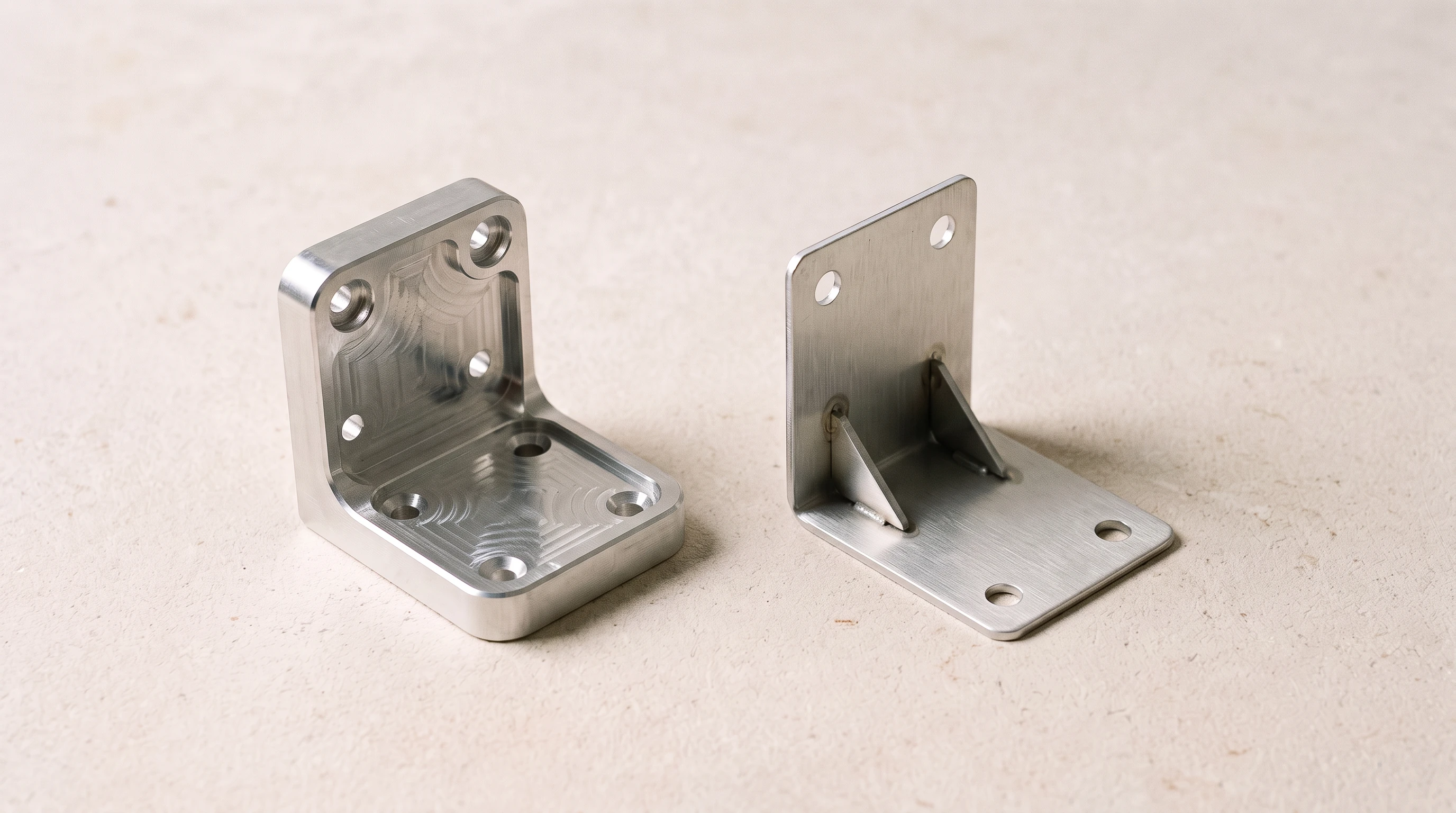 Enlarge imageEnlarge: Preparing prototypes for outside production meant weighing fabrication tradeoffs—such as moving from machined billet parts toward formed sheet metal and repeatable assembly interfaces—against tooling cost and volume.
Negotiating cost and supply
Initial supplier quotes carried steep non-recurring engineering and tooling charges before we would receive a single part. Rather than burning startup cash upfront, I negotiated a revised commercial structure that amortized part of those tooling charges into the per-piece component price—lowering our immediate cash outlay while working through prototype quantities, lead times, and design ownership. That preparation put the transfer package and supplier terms in place as my tenure as CEO concluded, with final production transfer and qualification remaining for the company’s next financing stage.
Experience used here
Technology transfer · Supplier management · Acceptance and integration test planning · Manufacturing requirements · Design review · Tooling and component pricing · Lead-time planning · Commercial negotiation